The Early Solo Violin
c. 1600–1650 · Northern Italy, especially Milan and Venice · Early Baroque / early Italian violin tradition
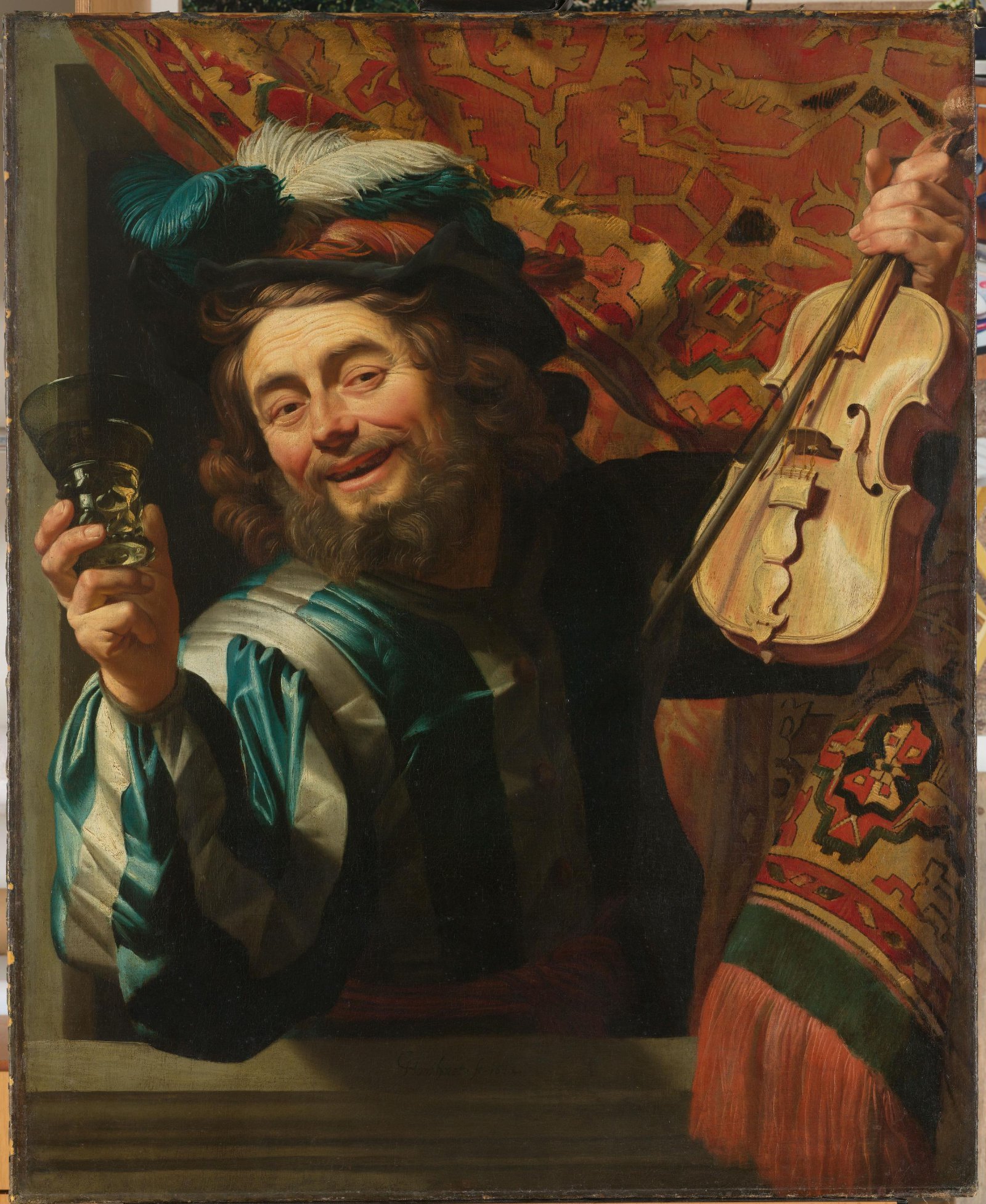
At the end of Lesson 1, the violin was still largely an ensemble and dance instrument. In the early 1600s, that starts to change. Italian composers begin putting a single violin in a more prominent role and writing music that increasingly takes advantage of what the instrument itself can do.
There was no single day when the violin became a soloist. The change appears across several composers and cities. In Milan, Giovanni Paolo Cima published a sonata in 1610 that specifically names violin and violone. A little more than a decade later, Biagio Marini was exploring rapid passagework, altered tuning, and writing across more than one string.
This is where something familiar begins to emerge: music written not simply for a high instrument, but for the violin. We’ll follow that shift, see what the word sonata meant before Beethoven, and hear Cima and Marini side by side.
- School / tradition
- Early Italian violin tradition
- Primary city or region
- Milan, Venice, and northern Italy
- Active period
- Early 1600s, especially the 1610s–1620s
- Known for
- The violin begins to step out of the ensemble and into music written increasingly around its own voice and technique.