Gasparo da Salò
1540–1609 · Salò and Brescia, Italy · Brescian tradition · maker and musician
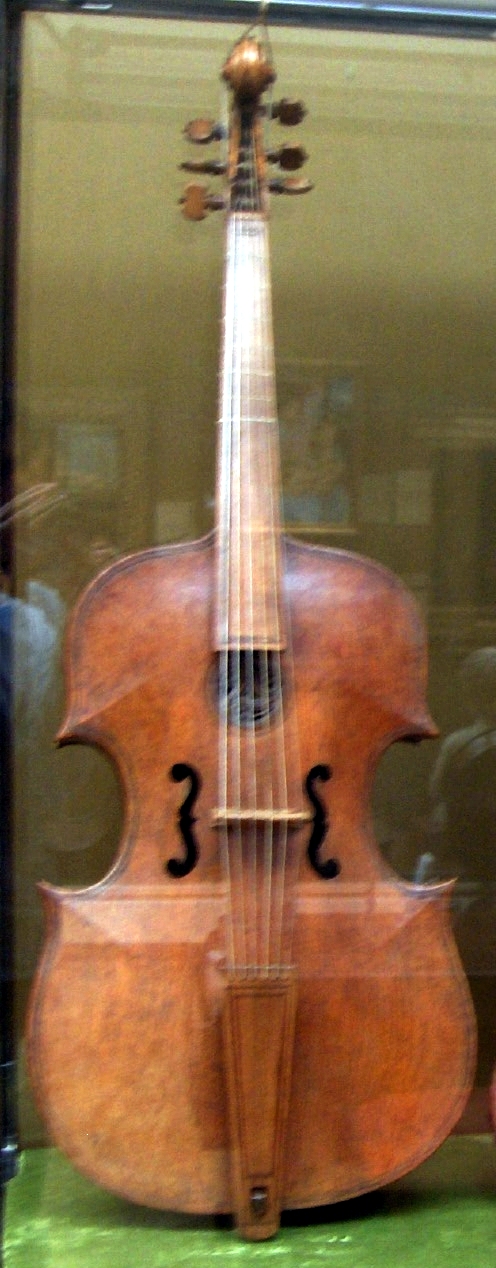
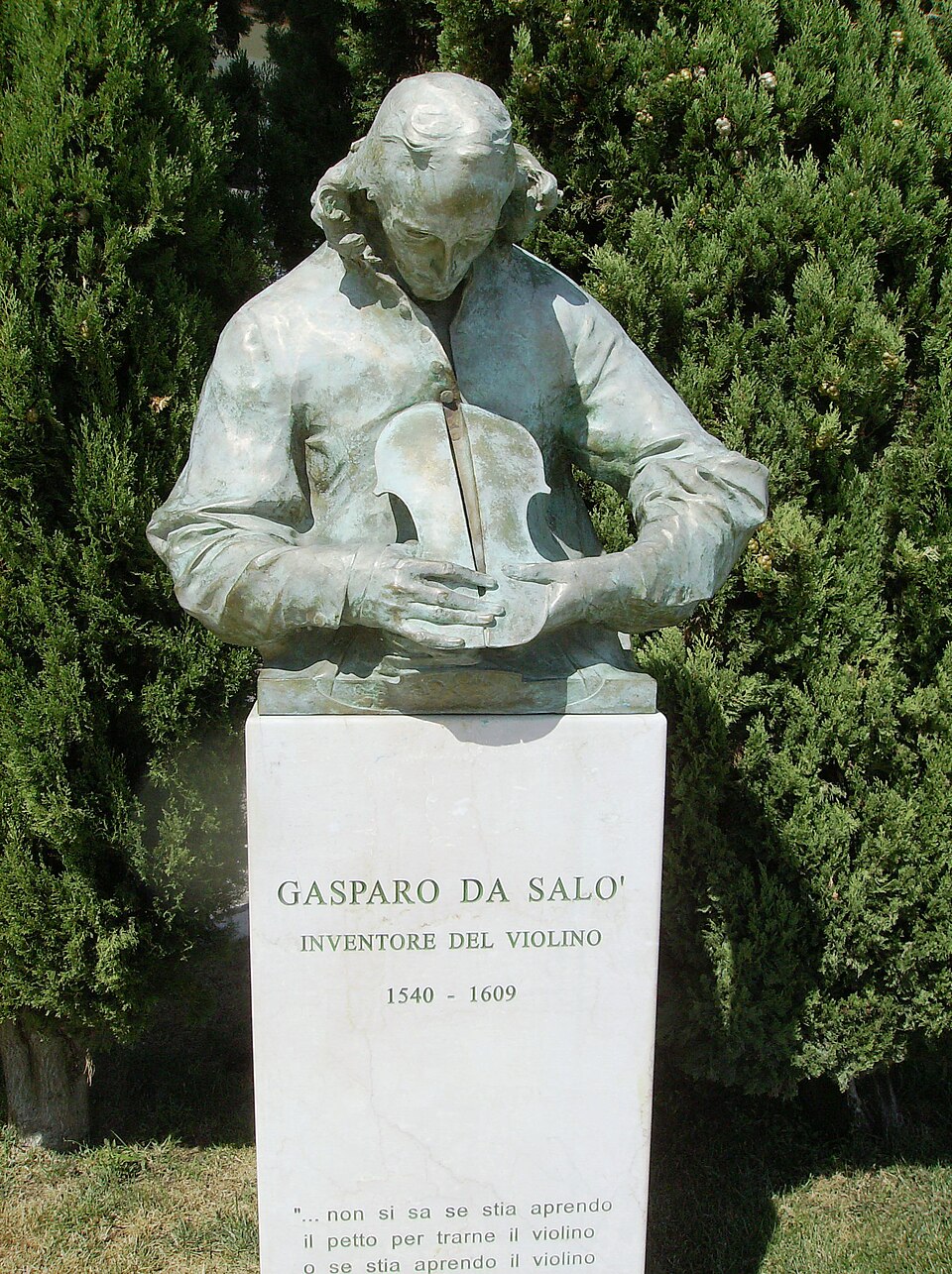
Gasparo da Salò is where the story of the violin becomes more complicated, and more interesting.
After meeting Andrea Amati in Lesson 1, it would be easy to imagine that the violin simply appeared in Cremona and then developed in a straight line toward Stradivari. Gasparo shows why that picture is too neat. At almost the same time that the Amati family was establishing its reputation in Cremona, Brescia had a vigorous instrument-making culture of its own. Gasparo Bertolotti, remembered as Gasparo da Salò, became its most famous early master.
- School / tradition
- Brescian tradition
- Primary city or region
- Born in Salò on Lake Garda; major workshop in Brescia
- Active period
- Documented in Brescia by the 1560s; workshop active until his death in 1609
- Known for
- Bold early Brescian design, especially important violas and bass instruments, practical musicianship, and the workshop that trained Giovanni Paolo Maggini
He matters partly because his instruments look and behave differently from the elegant Cremonese baseline we began with. Gasparo’s work can be broad, vigorous, sometimes visibly irregular, and especially successful in larger members of the violin family. That makes him our first lesson in an idea that will return repeatedly: refinement is not the same thing as musical success.
He also matters because we know a surprising amount about his life for a sixteenth-century craftsman. Tax records, baptismal records, property documents and workshop records allow us to see not only “Gasparo the violin maker,” but a man born into a musical family, moving to a thriving city, marrying and raising children, building a prosperous workshop, buying wood through Venetian connections, playing music himself, and eventually training Giovanni Paolo Maggini.
One caution belongs at the beginning. Gasparo is sometimes called an “inventor of the violin.” Andrea Amati has been given the same title. The surviving evidence does not justify reducing the violin’s emergence to one inventor. A better way to understand Gasparo is as one of the crucial people who helped the early violin family take a mature and influential form in northern Italy.