Giovanni Paolo Maggini
1580–c. 1630/32 · Botticino Sera and Brescia, Italy · Brescian tradition · Gasparo da Salò’s documented pupil
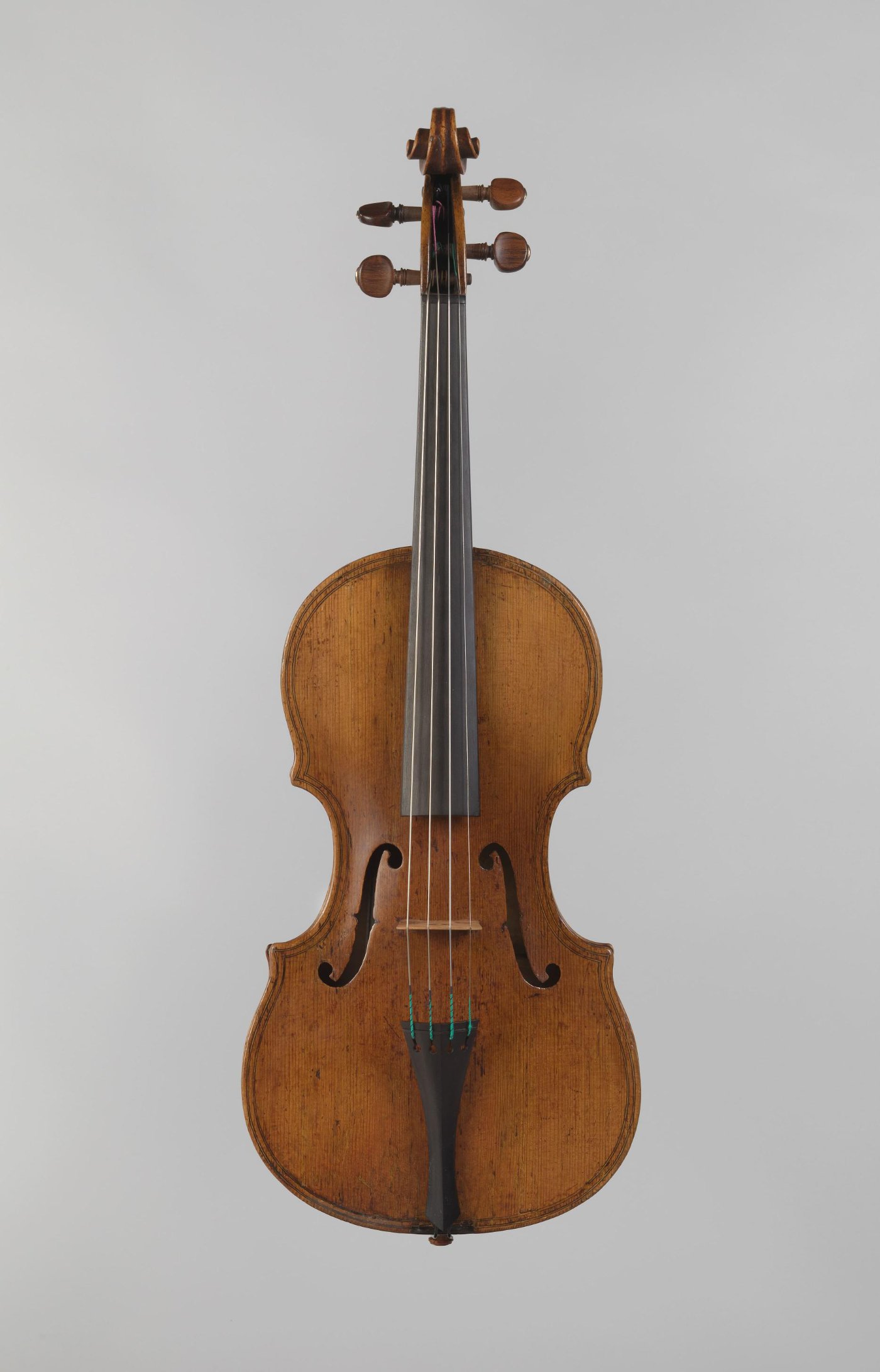
With Giovanni Paolo Maggini, the Brescian tradition becomes easier to recognize as the work of one particular maker.
Gasparo da Salò gave us a broad, vigorous regional language. Maggini learned that language directly in Gasparo’s workshop, but he did not spend his career making copies of his teacher. As his work matured, the instruments became more organized, more consistent, and more distinctly his own.
- School / tradition
- Brescian tradition
- Primary city or region
- Born in Botticino Sera; worked in Brescia
- Active period
- Documented in Gasparo da Salò’s workshop by 1598; independent workshop by 1607; last known alive in 1630
- Known for
- Broad violin models, long f-holes, frequent double purfling and decoration, deep sonority, and a mature Brescian style that was widely copied
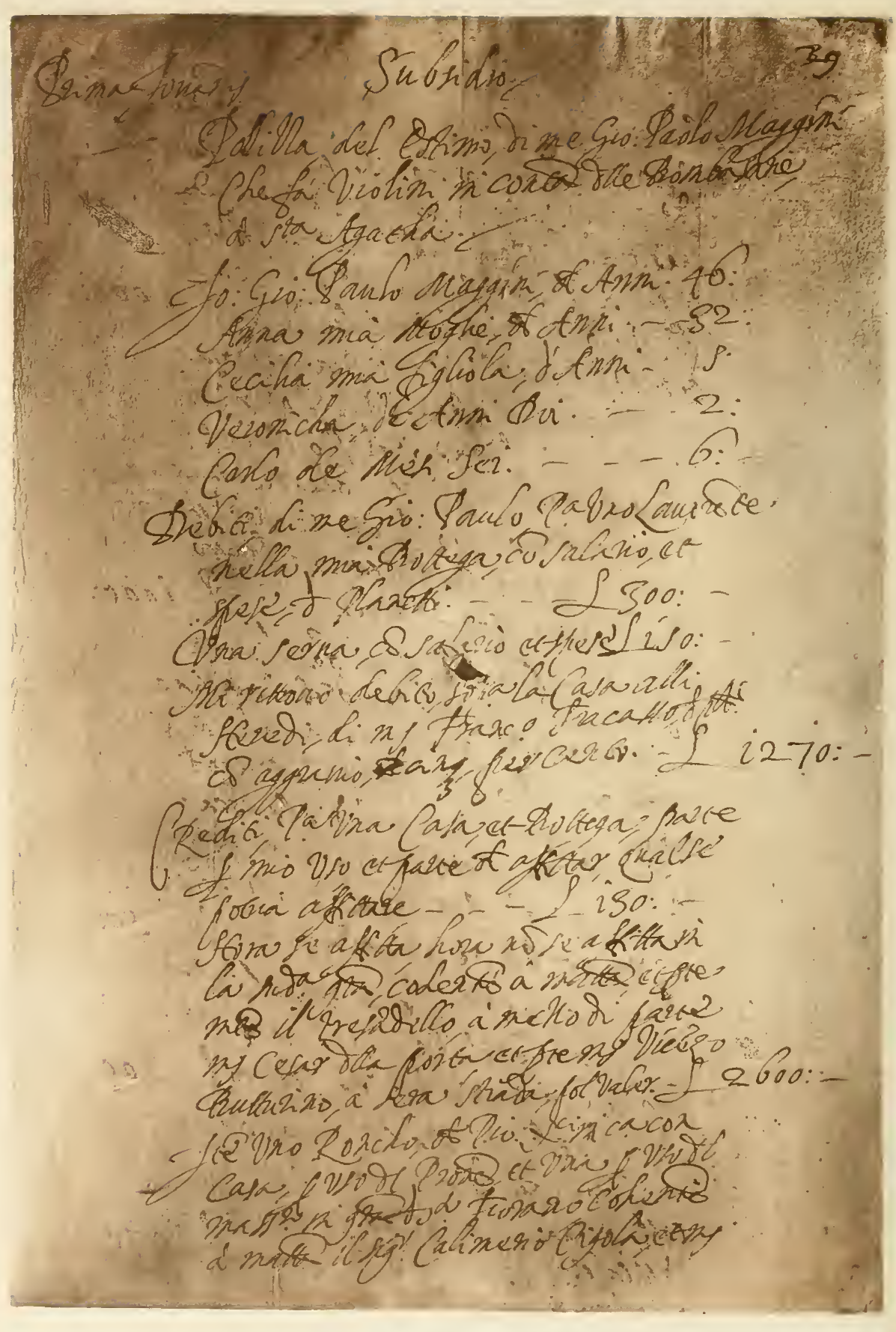
Several features associated with Maggini became so famous that later makers copied them for centuries: broad models, long f-holes, , decorative inlay, and a strong overall Brescian presence. That copying tradition is part of the reason Maggini matters to a modern player. A person is far more likely to encounter an old German, French, Bohemian, or workshop violin built “in the Maggini style” than a genuine seventeenth-century Maggini.
That creates a useful challenge. The easiest Maggini clues are also the easiest clues to fake.
A second reason he matters is historical. Maggini stands near the end of the first great Brescian period. He was born while Gasparo da Salò was already an established maker. He became Gasparo’s documented assistant, opened a prosperous shop of his own, developed distinctive models, and died around the same devastating plague period that also transformed violin making elsewhere in northern Italy.
When the Brescian line collapsed, Maggini’s ideas did not disappear. Later makers, including Cremonese masters, seem to have found aspects of his broad proportions and arching worth reconsidering. His influence is especially interesting when we later reach Stradivari’s Long Pattern and Giuseppe Guarneri del Gesù.