Self-paced classical music course

The Violinist’s Guide to Classical Music

The composers, masterpieces, and history every violinist should know.

Follow the story of classical violin music from the instrument’s early solo voice through Vivaldi, Bach, Mozart, Beethoven, Paganini, the great Romantic concertos, and the early twentieth century. Hear the music along the way and understand how composers, performers, musical forms, and changing expectations transformed what the violin could do.

3 lessons free · $19.95 lifetime access · Included with Practical Violinist Studio

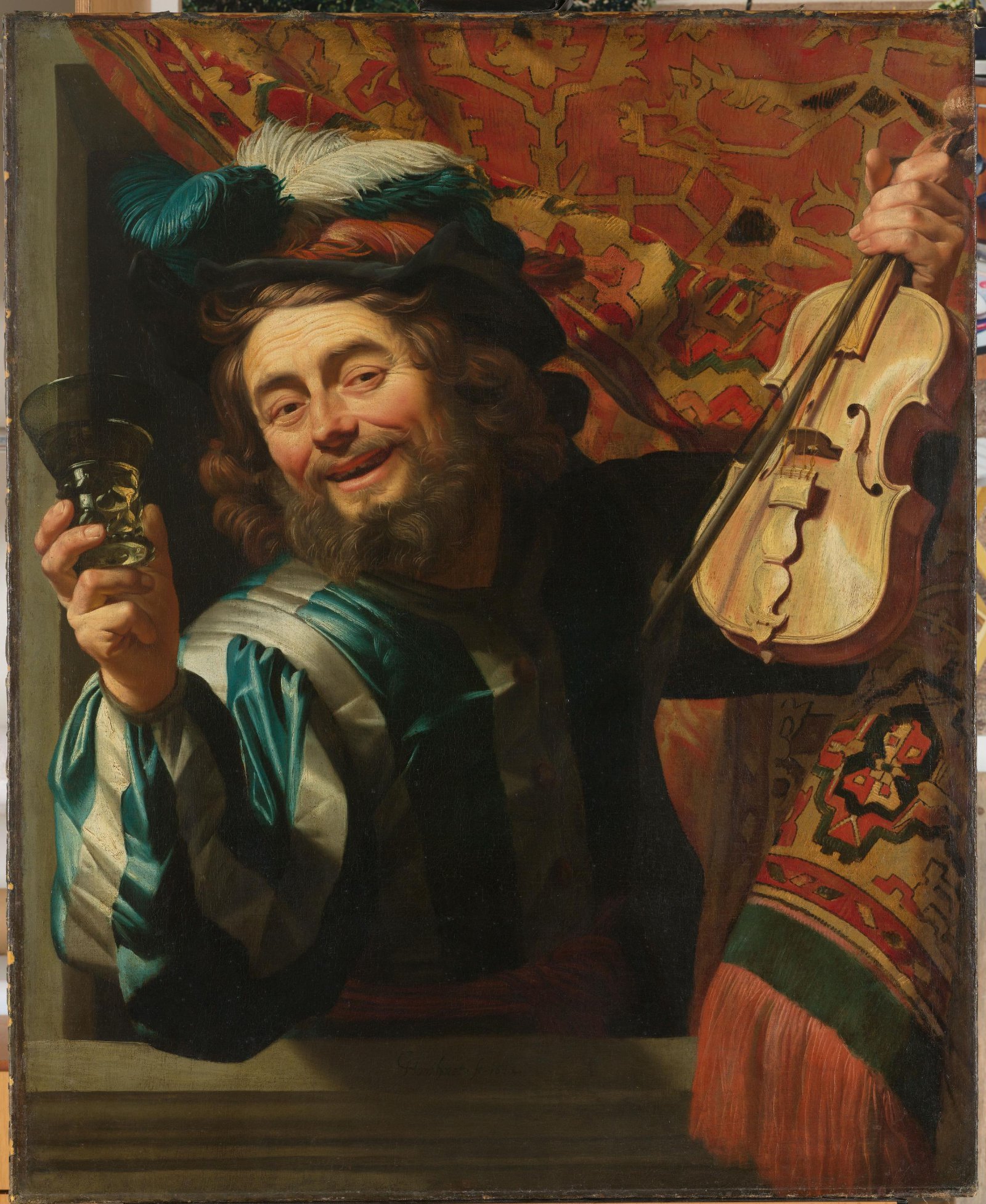
A laughing seventeenth-century violinist holds a violin and bow in one hand and raises a wineglass in the other in Gerard van Honthorst’s painting The Merry Fiddler.
Gerard van Honthorst, The Merry Fiddler, 1623
Rijksmuseum, Amsterdam

The story of classical violin music, told through the music that shaped it

The violin did not become one of classical music’s defining instruments all at once. Its role grew as composers and performers discovered new ways to use its range, agility, expressive power, and ability to carry a musical line.

This course follows that development in historical order. Beginning with the violin’s early solo voice, it moves through the Baroque masters, the Classical era, nineteenth-century virtuosity, the Romantic concerto tradition, and the changing musical world of the early twentieth century.

Along the way, the names, pieces, forms, and musical ideas begin to connect into one continuous story.

More than composer names and dates

The course combines history with guided listening and practical ways to understand what changed from one musical generation to the next.

Hear the music

Selected listening examples let you hear the works, styles, and musical changes being discussed instead of learning about them only in words.

Understand why it mattered

Learn what was changing around the music: performers, audiences, concert life, musical forms, technique, instruments, and the expectations placed on violinists.

Follow the musical changes

See how the violin’s role developed from early solo writing through Baroque brilliance, Classical structure, nineteenth-century virtuosity, and the great Romantic concerto tradition.

Remember what matters

Short quizzes and key takeaways reinforce the composers, works, terms, historical turning points, and listening ideas introduced along the way.

20 lessons. One musical story.

The course moves in historical order so each lesson builds naturally on what came before.

  1. 1Before the Violin
  2. 2The Early Solo Violin
  3. 3Arcangelo Corelli
  4. 4Biber, Locatelli and Tartini
  5. 5Antonio Vivaldi
  6. 6Johann Sebastian Bach — Part 1: A String Player’s Mind
  7. 7Johann Sebastian Bach — Part 2: One Violin, Many Voices
  8. 8From Baroque to Classical: A New Violin World
  9. 9Wolfgang Amadeus Mozart
  10. 10Ludwig van Beethoven
  11. 11Niccolò Paganini
  12. 12Felix Mendelssohn
  13. 13Max Bruch and Johannes Brahms
  14. 14Henri Vieuxtemps, Henryk Wieniawski and Pablo de Sarasate
  15. 15Pyotr Ilyich Tchaikovsky
  16. 16Eugène Ysaÿe
  17. 17Fritz Kreisler
  18. 18Jean Sibelius
  19. 19The Violin Enters the 20th Century
  20. 20Hearing the Whole Story

Included bonus guide

Making Sense of Classical Music Titles & Terms

Titles, movements, forms, tempo markings, dances, and catalog numbers made clear.

Ever wondered what Allegro, Adagio, Rondo, Partita, Sonata, Gavotte, Sarabande, Op., BWV, RV, Hob., and the other terms in classical music titles actually mean?

The included 14-part bonus guide explains the language behind classical music titles, movements, tempo markings, dance names, musical forms, catalog numbers, and common work labels, so scores, recordings, and concert programs begin to make much more sense.

14 parts · Included with the full course

Built for curious violinists

You do not need a music-history background to follow the course. It is designed for violinists who recognize names such as Vivaldi, Bach, Mozart, Beethoven, Paganini, Mendelssohn, Brahms, Tchaikovsky, and Sibelius but want to understand how those composers, their music, and the larger history fit together.

Move at your own pace, listen as you go, revisit a lesson whenever you want, and let the historical story build naturally from one musical generation to the next.

How the course works

1

Follow the story in order

Begin with the violin’s early solo voice and move chronologically through the composers, repertoire, and musical developments that shaped classical violin music.

2

Read and listen in guided steps

Explore the history, hear selected works, examine important musical ideas, open glossary terms as they appear, and use short quizzes to reinforce what you have learned.

3

Pick up where you left off

Course progress is tracked so you can leave and return without losing your place.

Start free. Continue your way.

Begin with the first three lessons at no cost. If you want to continue, unlock the complete course on its own or get full access as part of Practical Violinist Studio.

Start with 3 lessons free

Explore the opening chapters of the violin’s musical story and experience the course before deciding whether to continue.

Get the complete course

Unlock all 20 lessons plus the included 14-part bonus guide with one lifetime purchase.

$19.95

One-time purchase · Lifetime course access

Included with Practical Violinist Studio

Practical Violinist Studio members receive the complete 20-lesson Classical Music course, the included 14-part bonus guide, the complete Violin Makers & History course, and the Studio practice-planning tools and features.

$49

Lifetime access · Both complete courses included

Already have a Practical Violinist account?

Create your account on Practical Violinist, then come back and sign in here.

Buy the course first and decide on Studio later. Your $19.95 course purchase can be applied toward the $49 lifetime Studio price.

Ready to follow the music that shaped the violin?

Start with the first three lessons free and follow the story forward, one musical turning point at a time.

Start with 3 lessons free. Continue through all 20 lessons and the included Bonus with full course access.